How Media Is Transforming Careers: What Incoming College Students Need to Know in 2026
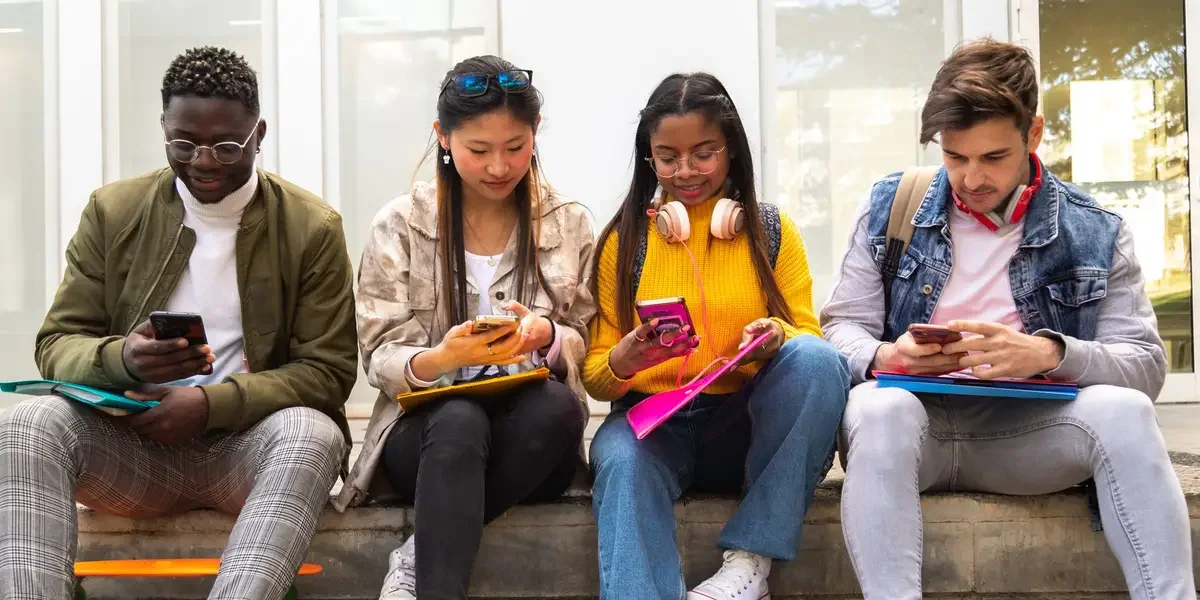
A research team at University of Notre Dame examined how the media reports on teenagers' use of smartphones and social platforms.
Their analysis revealed that young people's own voices were often missing from these conversations.
Coverage tended to emphasize risks and challenges, while giving far less attention to the benefits and opportunities technology can provide teens.
The rapid evolution of media is transforming the workforce in ways few industries can ignore. From artificial intelligence and automation to social media and digital storytelling, media is no longer confined to newsrooms or entertainment studios—it now shapes nearly every profession. For incoming college students, understanding this shift is essential.
Traditional career paths are changing quickly. Employers increasingly value digital literacy, content creation, data analysis, and personal branding alongside technical expertise. Whether pursuing business, healthcare, education, or engineering, students will likely need to communicate effectively across digital platforms and adapt to emerging technologies.
Daniel de la Hoz/Getty Images
The rise of artificial intelligence, in particular, is reshaping job responsibilities. Routine tasks such as data entry, customer service, and basic content generation are becoming automated. At the same time, demand is growing for professionals who can think critically, solve complex problems, and apply creativity—skills machines cannot easily replicate.
Social media has also created entirely new career opportunities. Roles in digital marketing, influencer relations, content strategy, and audience development barely existed a decade ago. Companies across all sectors now rely on media-savvy professionals to engage customers, build trust, and maintain relevance in a crowded marketplace.
For college students, this means choosing a major is only part of the equation. Developing transferable skills—such as writing, public speaking, multimedia production, and analytical thinking—will be equally important. Internships, freelance work, and personal projects can provide invaluable hands-on experience in today's competitive job market.

Photo: Shutterstock
Higher education institutions are also adapting by integrating digital tools, artificial intelligence, and interdisciplinary learning into their curricula. Students who embrace innovation and remain flexible will be best positioned for long-term success.
Media's influence on the workplace will only continue to grow. For the next generation entering college, the ability to navigate this rapidly changing landscape will be a defining factor in their careers. Those who learn to leverage media effectively will not simply adapt to the future—they will help create it.
